2015/5/30 珍藏好友分享的好文章: 培養出自己的好氣場
你的氣場會吸引相同的人!
這力量巨大到你完全無法想像!
用這3點幫你翻轉命運..
你的意念 成就事實
你的觀念、你的信仰、
你的環境、你的朋友、
你的呼吸、你吃的食物、
你的慾望、你的靜息與睡眠等都會影響你的磁場,
這些氣場就形成你的氣質、你的運氣、你的命運。
如果 一個人的氣質很好,
外表精神、有修養、有道德,
這個人的氣場就好,就會吸引好的事,吸引好的運氣。
相反 若一個人如果氣場不好,
外表沒精神、委靡不振、做事沒效率,
如果氣場再壞就會走黴運,
不好的事情總是發生在他身上,
幹什麼都不順,喝口涼水都會塞牙。
那麼如何改善我們的氣場,
讓你的人生 - 大大改善呢?
方法就是下面這 3點...
一、隨時保持積極、正向的意念
你想什麼,你相信什麼,
你就有什麼樣的氣場,這也就是吸引力法則。
你的思想,吸引你想要的東西
你是積極向上的思想,你的氣場就是積極向上的,
你的思想是消極負面的,你的氣場就是消極負面的,
同時吸引消極負面的人和事,
所以要加深你的正能量場,就要有積極正面的思想。
具有賺錢意識的人經常吸引金錢,
而具有貧窮意識的人總是引來貧窮。
通過你的思想、語言和行為,
它們將為你所意識到的事物打開通道,
無論富有或貧窮,都恰如你所想的狀況那樣滿足你。
一個人在心裡怎麼想,他就會是什麼樣。
你一直很害怕的事物,總是向你走來。
譬如,如果你一直恐懼失敗
失敗就會向你走來!
也就是說,
你所強烈意識到的事物總是會來到你這裡。
譬如,
如果要你 一分鐘內不能想"白熊"
你做得到嗎?
試試看,
保證沒人能做到,
這就是為什麼,你不能一直恐懼失敗
因為你一直想到失敗,它就會一直來..
思想是因,
與你思想相一致的人生和境遇就是你的果,
你的因會吸引來果,
這就是種瓜得瓜,
你種下什麼因就會收穫什麼果。
知道這個法則的原理後,
你就會運用思想的巨大能量來追求你所想要的一切,
你會變得有自信,你會知道世間的因果法則,
也會懂得正確、積極正面的運用你的思想了。
人體就是一個很敏感的信息場,
無時無刻都在與外界的信息、能量進行交換。
接下來,再帶你看看,
能幫你的 最強氣場,是什麼呢?
二、讓心中充滿 "愛",這是最強的氣場
愛是宇宙間最強大的氣場,
因為它和宇宙和諧一致,
愛是你身上正氣場。
只有發出愛,你才會吸引愛,
所以不要只愛你自己的那麼小我,
要愛周圍所有的人,
愛你的朋友、父母、愛人、
親人、同事、敵人、地球萬物、一花一草...
你發出的愛越多,
你積聚在宇宙間愛的氣場就會越大,
同時你收穫的愛也就是愛。
你發出愛,宇宙就有你愛的氣場、
一個人積聚的愛的氣場越多,
他就會吸引更多的愛,
當你有困難有危險的時候,
宇宙會發出各種信息讓你感知到,
這就像靈感一樣,靈感發生於有愛的地方,
例如: 孩子和媽媽、雙胞胎、戀人和朋友。
你某一天想起一個遠方的一個朋友,
忽然你的這個朋友打電話給你,
兩個相愛的人雖遠在天涯,
有時也會感知到對方的愛。
三、行善,最能幫你累積正面能量
一個人廣做善事,
他就積聚了宇宙間的愛的磁場,
當他有危險時,他的潛意識會有感知,
比較容易避免災難,就算真有災難,他也會化險為夷。
宇宙間有一個強大的法則就是吸引力法則,
你的思想是有氣場,有能量、有吸引力的。
你想什麼,你就會發射到宇宙中去,
宇宙就會響應你的想法給你想要的。
而愛是宇宙間最強大的氣場、你發出多大的思想,
宇宙間給你的氣場就會有多大。
一個廣做慈善發出愛越多的人,
他得到愛的氣場就會越大。
宇宙是圓的,宇宙是有因果法則的,
有付出就有回報。
愛別人別人才會愛你,幫助別人別人才會幫助你。
在日常生活中,
你會發現包括你在內的大量的「低能量」人。
偶爾也會幸運地遇到高能量的人。
他們總是那麼積極樂觀,
總是那麼快樂,總是那麼具有影響力。
你感到羨慕,並被深深吸引,同時也希望成為那樣的人。
什麼是 高能量和低能量?
正面的高能量:活力、精力充沛、興奮、熱情、
全神貫注、多姿多采、正面挑戰、內外合一、自我提升、提升他人;
正面的低能量:安靜、冷靜、平靜、寧靜、放鬆、
煥然一新、和諧、當下、充分休息、內外合一(靜態);
負面的高能量:憤怒、懷疑、沮喪、擔憂、
急躁、壓力、所有的事情都是問題、任何關係都是挑戰;
負面的低能量:怨恨、後悔、內疚、嫉妒、
自卑、絕望、挫敗、羞恥、尷尬、責怪!
一切財富、名譽、地位,都是外在表象。
德行 才是根本,
厚德載物這句話絲毫不假。
如果你能做到:
思考上,隨時保持正向、積極
情緒上,讓心中有愛
行動上,多多行善事
那你一定可以 培養出自己的好氣場
從此 自然能擁有 好機運!
一起來努力吧。
打開任何人心結的20句話
1、與其說是別人讓你痛苦,不如說是自己的修養不夠。
2、感謝上蒼我所擁有的,感謝上蒼我所沒有的。
3、活在別人的掌聲中,是經受不起考驗的人。
4、人之所以痛苦,在于追求錯誤的東西。
5、來是偶然的,走是必然的。所以你必須,隨緣不變,不變隨緣。
6、世界原本就不是屬于你,因此你用不著拋棄,要拋棄的是一切的執著。萬物皆為我所用,但非我所屬。
7、說一句謊話,要編十句謊話來彌補,何苦呢?
8、如果你準備結婚的話,告訴你一句非常重要的哲學名言:“你一定要忍耐包容對方的缺點,世界上沒有絕對幸福圓滿的婚姻,幸福只是來自于無限的容忍與尊重”。
9、你有你的生命觀,我有我的生命觀,我不干涉你。只要我能,我就感化你。如果不能,那我就認命。
10、我的財富并不是因為我擁有很多,而是我要求的很少。
11、若能一切隨他去,便是世間自在人。
12、寧可自己去原諒別人,莫讓別人原諒你。
13、不是某人使我煩惱,而是我拿某人的言行來煩惱自己。
14、如果你能每天吶喊二十一遍“我用不著為這一點小事而煩惱”,你會發現,你心里有一種不可思議的力量。試試看,很管用。
15、你什么時候放下,什么時候就沒有煩惱。
16、過錯是暫時的遺憾,而錯過則是永遠的遺憾!不要害怕過錯而錯過。
17、根本不必回頭去看咒罵你的人是誰?如果有一條瘋狗咬你一口,難道你也要趴下去反咬他一口嗎?
18、命運負責洗牌,但是玩牌的是我們自己!
19、狂妄的人有救,自卑的人沒有救。
20、愚癡的人,一直想要別人了解他。有智慧的人,卻努力地了解自己。
2、感謝上蒼我所擁有的,感謝上蒼我所沒有的。
3、活在別人的掌聲中,是經受不起考驗的人。
4、人之所以痛苦,在于追求錯誤的東西。
5、來是偶然的,走是必然的。所以你必須,隨緣不變,不變隨緣。
6、世界原本就不是屬于你,因此你用不著拋棄,要拋棄的是一切的執著。萬物皆為我所用,但非我所屬。
7、說一句謊話,要編十句謊話來彌補,何苦呢?
8、如果你準備結婚的話,告訴你一句非常重要的哲學名言:“你一定要忍耐包容對方的缺點,世界上沒有絕對幸福圓滿的婚姻,幸福只是來自于無限的容忍與尊重”。
9、你有你的生命觀,我有我的生命觀,我不干涉你。只要我能,我就感化你。如果不能,那我就認命。
10、我的財富并不是因為我擁有很多,而是我要求的很少。
11、若能一切隨他去,便是世間自在人。
12、寧可自己去原諒別人,莫讓別人原諒你。
13、不是某人使我煩惱,而是我拿某人的言行來煩惱自己。
14、如果你能每天吶喊二十一遍“我用不著為這一點小事而煩惱”,你會發現,你心里有一種不可思議的力量。試試看,很管用。
15、你什么時候放下,什么時候就沒有煩惱。
16、過錯是暫時的遺憾,而錯過則是永遠的遺憾!不要害怕過錯而錯過。
17、根本不必回頭去看咒罵你的人是誰?如果有一條瘋狗咬你一口,難道你也要趴下去反咬他一口嗎?
18、命運負責洗牌,但是玩牌的是我們自己!
19、狂妄的人有救,自卑的人沒有救。
20、愚癡的人,一直想要別人了解他。有智慧的人,卻努力地了解自己。
救自己的命 ! 再忙,都要看一下,學起來
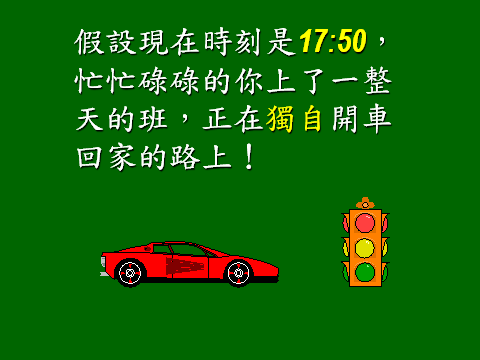
今天收到一個朋友傳來這份圖文,讓我想到人生無常,
過去有親人發生在獨自開車中就這樣走了.....
希望分享這篇文,能夠幫助到更多人
參考來源: http://blog.xuite.net/turkey4315440/blog01/243253012
凡事往好處想的遊戲
今天聽到朋友分享最近與孩子互動的遊戲。
「凡事往好處想」的遊戲…
媽媽問孩子:「今天上學發現,口袋裡的十元不見了,請往好處想…」
孩子回答:「還好不見的不是一百元…」
父親回答:「撿到的人一定很高興…」
媽媽問孩子:「今天上學後開始下起大雨,請往好處想…」
孩子回答:「還好舅舅家住的近,可以幫我送傘…」
媽媽問孩子:「很用功的準備段考後,成績非常的不理想,請往好處想…」
孩子回答:「還好不是聯考…」
一邊聽著一邊覺得這個遊戲很有趣,凡事往好處想,整個心情就變的不一樣了!!
正向思考,我們不會怨天尤人
正向思考,我們不會心情鬱悶
正向思考,我們不會一厥不振
正向思考,我們不會苦無出路
正向思考,我們不會離樂得苦
正向思考,會為我們帶來一個停損點
正向思考,會為我們帶來樂觀、開朗的性格
正向思考,會為我們帶來慈悲的胸懷
正向思考,會為我們帶來重新站起來的力量
正向思考,會為我們帶來無限的希望
這真的是一個很好的觀念,這個遊戲或許大家真可以用在生活中,
道理不在懂不懂,只在做不做,改變就從現在開始!!
哈佛大學推薦 20 個快樂的習慣
最近心有些空洞,心一直定不下來,因為又要再次面對如何走向未來的決擇,
這段時間,從看淡,認為只要能呼吸就是幸福,
到最終告別親人後,變成到看破,對人事物沒了興趣,
但一樁樁的任務迎面而來,總要繼續下去,我卻決擇不定,停滯不前,很抱歉,自己對人也選擇不見....
以至我也開始問自己,你為什麼無法替自己做選擇?
有人說: 原因太簡單了,因為你不曾為自己真正活過 !
無意中,發現了這篇文,真的很感恩,哈佛大學推薦 10個快樂的習慣 ~~
其中
9. Practice forgiveness. 學會原諒
「憎恨和生氣是對自我的懲罰。
當你釋懷的時候,事實上你是在對自己施以善意。
最重要的是,學會原諒自己。」
7. Live in the present. 活在當下
「你感到沮喪,是因為你活在過去。
你會感到擔憂和焦慮,是因為你活在未來。
但是當你感到滿足,開心和平和時,你才是活在當下。」
這兩段文雖然常有見過,但此時真的觸動了我 ~~
最終我的選擇,就是要慢慢重新學習為自己活,自己一定要活得快樂 ,開始專注集中精力,全力以赴,去完成我覺得唯一的重要的事情 .....這兩段文雖然常有見過,但此時真的觸動了我 ~~
後來查到原文,原來有20 個快樂的習慣,所以將文章又加上了,真的是很棒的建議 !
10個快樂的習慣
1、Be grateful. 要學會感恩。
Slow down, look around you, and pay attention to the little details in your life – the delicate purple flower on the sidewalk, the beautiful sunset, the hot shower that washes away your long day, and the smile in your partner’s eyes…
讓自己變慢腳步,看看你的四周,
關注生活中的細微之處:
人行道上淡紫色的花,
美麗的日落,洗去你一天疲憊的淋浴,
伴侶眼中的笑容。
When you have a grateful heart that is appreciative of life’s beautify, wonder and blessings, you’re automatically filled with happiness.
當你的感恩之心能夠欣賞生活的美,
思考和祝福,你自然就充滿了幸福感。
2. Choose your friends wisely. 明智的選擇自己的朋友
According to Harvard, the most important external factors affecting individual happiness are human relationships. So if you want to be happy, choose to be around people who are optimistic, who appreciate you as you are, and who can make your life richer, bigger, more fun, and more meaningful.
根據哈佛,影響個人幸福最重要的外部因素是人際關係。
所以如果你想變得開心的話,
要選擇和樂觀的朋友在一起,
他們能欣賞你真實的自己,
讓你的生活變得更豐富,快樂,有意義。
3. Cultivate compassion. 培養同情心
When we try to step into other people’s shoes and understand a situation from another’s perspective, we’re more likely to handle the situation with compassion, objectivity and effectiveness. There will be less conflicts and more happiness.
當我們代替別人,站在另一個角度看問題,
我們更能用同情心,客觀和有效的處理問題。
生活中就會少一些衝突,多一點快樂。
4. Keep learning. 不斷學習
Learning keeps us young and dreams keep us alive. When we engage our brains and put them toward productive uses, we’re less likely to dwell on unhappy thoughts and much more likely to feel happy and fulfilled.
學習讓我們保持年輕,夢想讓我們充滿活力。
我們運用大腦,進行運作的時候,
我們就不大會想不開心心的事情,我們會變得更開心和滿足。
5. Become a problem solver. 學會解決問題
Happy people are problem solvers. When they encounter a challenge in life, they don’t beat themselves up and fall into a depressive state. Instead, they face up to the challenge and channel their energies toward finding creative a solution. By becoming a problem solver, you’ll build up your self-confidence and your ability to accomplish whatever it is you set your mind to – and whatever challenges life throws your way.
通常開心的人都是那種會解決問題的人。
在生活中遇到挑戰的時候,他們不會自虐、變得消沉。
他們會直接面對挑戰,
調動全身力量尋找解決辦法。
通過解決問題,建立起自己的自信心和直接面對挑戰的能力。
6. Do what you love. 做你想做的事情
Since we spend over one-third of our adult life working, loving what we do has a huge impact on our overall happiness. If this is not possible at the moment, then try to find enjoyment and meaning in your current work, or cultivate a hobby that involves doing something you love.
既然我們成人生活的三分之一時間都在工作,
那麼做我們想做的事對我們的整體幸福感就有很大的影響。
如果現在不能做你想做的事情,
那就試著在你現在的工作中尋找快樂和意義,培養你喜愛的興趣。
7. Live in the present. 活在當下
When you feel depressed, you’re living in the past. When you feel worried or anxious, you’re living in the future. But when you feel content, happy and peaceful, you’re living in the present.
你感到沮喪,是因為你活在過去。
你會感到擔憂和焦慮,是因為你活在未來。
但是當你感到滿足,開心和平和時,你才是活在當下。
8. Laugh often. 要經常笑
Laughter is the most powerful anecdote to anger or depression. Research has shown that the simple act of curving the corners of your mouth can increase your feeling of happiness. So don’t take life too seriously. Try to find humor and laughter in life’s everyday struggles.
笑是對抗生氣或沮喪最有力的的東西。
研究表明簡單的嘴巴上揚也可以增加你的幸福感。
不要把生活看的太嚴肅。要學會在每日的奮鬥中尋找幽默感和笑聲。
9. Practice forgiveness. 學會原諒
Resentment and anger are forms of self-punishment. When you forgive, you’re actually practicing kindness to yourself. And most importantly, learn to forgive yourself. Everyone makes mistakes. It’s through our mistakes that we learn and grow to become a bigger and better person.
憎恨和生氣是對自我的懲罰。
當你釋懷的時候,事實上你是在對自己施以善意。
最重要的是,學會原諒自己。
每個人都犯錯。
只有通過我們的錯誤,
我們才慢慢學會如何成為一個更強大,更好的人。
10. Say thanks often. 要經常說謝謝
Always be appreciative of the blessings in your life. And it’s equally important to express your appreciation to those who’ve made your life better in some way, big or small.
對生活中的祝福要學會欣賞。
向那些讓你生活變好的人,無論或大或小,
表達出你的欣賞之情也同樣重要。
11. Create deeper connections. 學會深交
Our happiness multiplies when we connect and bond with another human being on a deeper level. And being fully present and listening are two of the most important skills to strengthening that bond and bringing happiness to ourselves, and to others.
我們的幸福感會在和另一個人的深交中不斷猛增。專注聆聽是加強這種關係紐帶和把幸福感帶給自己和別人的兩個最重要的方面。
12. Keep your agreement. 守承诺。
Our self-esteem is built on the agreements we’ve made with ourselves. And high self-esteem has a direct correlation to happiness. So keep your agreements with others and with yourself.
我們的自尊是建立在我們對自己守承諾的情況下。高度的自尊和幸福感有直接關聯。所以要對自己和別人遵守承諾。
13. Meditate.冥想。
According to Harvard, people who take 8 sessions of mindfulness meditation training are, on average, 20% happier than a control group. Such training can lead to structural brain changes including increased grey-matter density in the hippocampus, known to be important for learning and memory, and in structures associated with self-awareness, compassion and introspection.
根據哈佛,平均上,上過8次冥想訓練的人要比控制狂多開心20%。這樣的訓練可以導致大腦結構變化,包括海馬體黑色物質的密度,其對學習和記憶很重要,在結構上和自我意識,同情心和反省。

14. Focus on what you’re doing. 關注你在做的事情。
When you put your mind, heart and soul into what you’re doing, you’re creating a happiness state – called the “flow.” When you’re living in the flow, you’re less likely to care about what others may think of you, and less bothered by things that are not that important. The result? More happiness, of course!
當你全身心投入一件事的時候,你就會處於一個開心的狀態。當我們處於這種狀態,你就不大會關心別人對你怎麼看,不大會被不大重要的事情干擾。結果呢?更幸福,當然啦!
15. Be optimistic. 要樂觀。
For happy people, the glass is always half-full. If your tendency is to imagine the very worst-case scenario every time you face a challenge, then train yourself to reverse that tendency. Ask yourself what good can come out of the situation or what you can learn from it. Optimism surely fuels success and happiness.
對於開心的人來說,玻璃都一直是半滿的。每當你面對一個挑戰時,如果你傾向於想像最壞的想法,那就自我轉換這種情況。告訴你自己一個狀況中的好處或者你從中學到的東西。樂觀肯定能驅動成功和幸福感。
16. Love unconditionally. 無條件的爱。
No one is perfect. Accept yourself for all of your imperfections. And do so for others. Loving someone unconditionally does not mean that you need to spend all your time with them or help them figure out their problems. Unconditional love means accepting people as they are, and allowing them to find their own ways, at their own pace.
沒人是完美的。接受你自己所有的不完美。也要這樣對待別人。無條件的愛一個人並不意味著你要花所有的時間和他們在一起,或者幫助他們解決問題。無條件的愛意味著接受真實的他們,以他們自己的步伐,讓他們自己摸索。
17. Don’t give up. 不要放棄。
Unfinished projects and repeated defeats inevitably dampen one’s self-esteem. If you’ve made up your mind to do something, see it through. Don’t give up until you succeed. Remember, failure is temporary but defeat is permanent. And defeat only occurs when you give up.
沒有完成的方案和不斷的失敗不可避免的會削弱你的自尊。如果你決定做某事,做完它。在成功之前都不要放棄。要記住,失敗是暫時的,打敗的永存的。只有當你放棄的時候,你才會被打敗。
18. Do your best and then let go. 做最好的自己,然后放手。
Everyone has limitations, and things don’t always turn out to be what we’d like them to be – despite our efforts. So always give your best, and then let go. Let events run their course. When you’ve done your best, you’ll have no regrets.
每個人都有局限性。而且有時候儘管我們很努力做一件事情,但是總會事與願違。所以做最好的自己,然後放手。當你盡了全力,你就沒有遺憾了。

19. Take care of yourself. 好好照顧自己。
A healthy body is the key to happiness. If you have poor health, it’s very difficult to be happy no matter how hard you try. So make sure you eat well, exercise and find time to rest. Take good care of your body, your mind and your spirit.
一個健康的身體是幸福的關鍵。如果你身體不好,你無論如何努力,都很難快樂。確信自己吃得好,做鍛煉,找點時間休息。好好照顧你的身體,大腦和精神。
20. Give back. 學會给予。
Doing good is one of the surest ways to feel good. According to Harvard, when people do good, their brains becomes active in the very same reward center that is stimulated when they experience other rewards. So it’s not a surprise that people who care more about others are happier than those who care less about others.
做好事是最能確保你心情好的方法之一。根據哈佛,人們做好事,他們的大腦變得活躍,就好像當你經歷別的獎勵時,大腦所受的刺激。所以,那些關心別人的人要比不大關心別人的人更開心。
11. Create deeper connections. 學會深交
Our happiness multiplies when we connect and bond with another human being on a deeper level. And being fully present and listening are two of the most important skills to strengthening that bond and bringing happiness to ourselves, and to others.
我們的幸福感會在和另一個人的深交中不斷猛增。專注聆聽是加強這種關係紐帶和把幸福感帶給自己和別人的兩個最重要的方面。
12. Keep your agreement. 守承诺。
Our self-esteem is built on the agreements we’ve made with ourselves. And high self-esteem has a direct correlation to happiness. So keep your agreements with others and with yourself.
我們的自尊是建立在我們對自己守承諾的情況下。高度的自尊和幸福感有直接關聯。所以要對自己和別人遵守承諾。
13. Meditate.冥想。
According to Harvard, people who take 8 sessions of mindfulness meditation training are, on average, 20% happier than a control group. Such training can lead to structural brain changes including increased grey-matter density in the hippocampus, known to be important for learning and memory, and in structures associated with self-awareness, compassion and introspection.
根據哈佛,平均上,上過8次冥想訓練的人要比控制狂多開心20%。這樣的訓練可以導致大腦結構變化,包括海馬體黑色物質的密度,其對學習和記憶很重要,在結構上和自我意識,同情心和反省。
14. Focus on what you’re doing. 關注你在做的事情。
When you put your mind, heart and soul into what you’re doing, you’re creating a happiness state – called the “flow.” When you’re living in the flow, you’re less likely to care about what others may think of you, and less bothered by things that are not that important. The result? More happiness, of course!
當你全身心投入一件事的時候,你就會處於一個開心的狀態。當我們處於這種狀態,你就不大會關心別人對你怎麼看,不大會被不大重要的事情干擾。結果呢?更幸福,當然啦!
15. Be optimistic. 要樂觀。
For happy people, the glass is always half-full. If your tendency is to imagine the very worst-case scenario every time you face a challenge, then train yourself to reverse that tendency. Ask yourself what good can come out of the situation or what you can learn from it. Optimism surely fuels success and happiness.
對於開心的人來說,玻璃都一直是半滿的。每當你面對一個挑戰時,如果你傾向於想像最壞的想法,那就自我轉換這種情況。告訴你自己一個狀況中的好處或者你從中學到的東西。樂觀肯定能驅動成功和幸福感。
16. Love unconditionally. 無條件的爱。
No one is perfect. Accept yourself for all of your imperfections. And do so for others. Loving someone unconditionally does not mean that you need to spend all your time with them or help them figure out their problems. Unconditional love means accepting people as they are, and allowing them to find their own ways, at their own pace.
沒人是完美的。接受你自己所有的不完美。也要這樣對待別人。無條件的愛一個人並不意味著你要花所有的時間和他們在一起,或者幫助他們解決問題。無條件的愛意味著接受真實的他們,以他們自己的步伐,讓他們自己摸索。
17. Don’t give up. 不要放棄。
Unfinished projects and repeated defeats inevitably dampen one’s self-esteem. If you’ve made up your mind to do something, see it through. Don’t give up until you succeed. Remember, failure is temporary but defeat is permanent. And defeat only occurs when you give up.
沒有完成的方案和不斷的失敗不可避免的會削弱你的自尊。如果你決定做某事,做完它。在成功之前都不要放棄。要記住,失敗是暫時的,打敗的永存的。只有當你放棄的時候,你才會被打敗。
18. Do your best and then let go. 做最好的自己,然后放手。
Everyone has limitations, and things don’t always turn out to be what we’d like them to be – despite our efforts. So always give your best, and then let go. Let events run their course. When you’ve done your best, you’ll have no regrets.
每個人都有局限性。而且有時候儘管我們很努力做一件事情,但是總會事與願違。所以做最好的自己,然後放手。當你盡了全力,你就沒有遺憾了。
19. Take care of yourself. 好好照顧自己。
A healthy body is the key to happiness. If you have poor health, it’s very difficult to be happy no matter how hard you try. So make sure you eat well, exercise and find time to rest. Take good care of your body, your mind and your spirit.
一個健康的身體是幸福的關鍵。如果你身體不好,你無論如何努力,都很難快樂。確信自己吃得好,做鍛煉,找點時間休息。好好照顧你的身體,大腦和精神。
20. Give back. 學會给予。
Doing good is one of the surest ways to feel good. According to Harvard, when people do good, their brains becomes active in the very same reward center that is stimulated when they experience other rewards. So it’s not a surprise that people who care more about others are happier than those who care less about others.
做好事是最能確保你心情好的方法之一。根據哈佛,人們做好事,他們的大腦變得活躍,就好像當你經歷別的獎勵時,大腦所受的刺激。所以,那些關心別人的人要比不大關心別人的人更開心。
快樂就是分享、快樂就是享受
快樂是... 能夠自我定義的一樣東西~
希望大家都能找到喔!
訂閱:
文章 (Atom)


.jpg)